Home Gym · Gear Review
I Built a Complete Home Gym for $226. It Fits in a Duffel Bag.
Four plate-loaded handles and one stack of Olympic plates. Dumbbells, a kettlebell, a weight vest, and pull-up grips. Total handle weight: under 10 lbs.
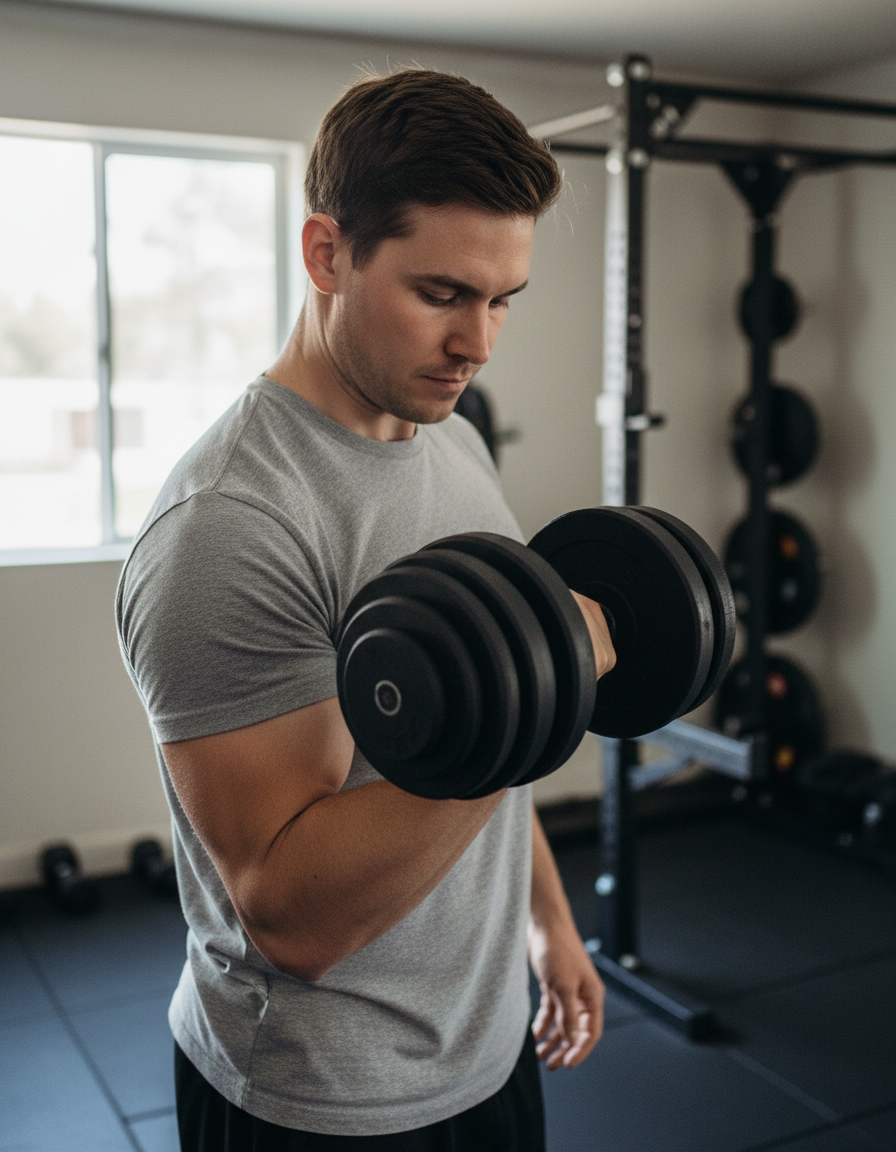
Four plate-loaded handles and one stack of Olympic plates. Dumbbells, a kettlebell, a weight vest, and pull-up grips. Total handle weight: under 10 lbs.
I spent three years buying home gym equipment the normal way. One piece at a time. Fixed dumbbells, a weight vest, a kettlebell, a set of bands. The garage filled up. My wallet emptied out. And most of that iron sat on a shelf doing nothing while I used the two dumbbells I actually needed that day.
Then I sold all of it and replaced everything with four handles and one stack of plates.
Price out a basic home gym. Not a squat rack and platform. Just the portable stuff: dumbbells, a kettlebell or two, a weight vest, and something for pull-up variety.
A full set of fixed dumbbells from 5 to 50 pounds runs $400 to $700 depending on the brand. That set weighs about 550 pounds. You have ten pairs of dumbbells, but during any single exercise, you hold one pair. The other nine pairs sit on the rack.

Add three kettlebells at different weights: another $150 to $250. A weight vest that tops out at 40 pounds: $100 to $300. Pull-up handles or gymnastics rings: $30 to $80.
The floor on all of this is roughly a thousand dollars. And you need somewhere to put 700+ pounds of iron that mostly collects dust between sets.
Here is the problem nobody talks about when they build a home gym: you keep buying the same weight in different shapes.
Your 35-pound kettlebell is 35 pounds of iron. Your 35-pound dumbbell is 35 pounds of iron. The plates on your weight vest are just iron cut into a different rectangle. The weight itself is identical. You are paying for the shape of the handle attached to it.
A traditional home gym does not just cost more money. It costs more space, more weight, and more decisions. Every new tool means a new purchase at a new weight, and a new thing sitting on the floor when you are not using it.

What if you only bought the weight once?
Olympic plates are the most universal weight format in any gym. A 10-pound plate is a 10-pound plate. It does not care whether it sits on a barbell, a dumbbell handle, or a weight vest.
The idea behind plate-loaded equipment is simple. You own one stack of plates. Every tool in your gym slides onto those plates. When you finish dumbbell curls, you pull the plates off the dumbbell handles and put them on the vest. Same weight, different handle.

This means every new tool costs the price of the handle only. No new weight purchased. No new iron taking up floor space. A pair of dumbbell handles. A kettlebell handle. A vest. Pull-up grips. All under $230 for the four.
You stop buying weight in different shapes and start buying handles that accept weight you already own.

Two handles that accept 1-inch and 2-inch plates. Slide the plates on, tighten the collar, and you have a dumbbell at whatever weight you want.
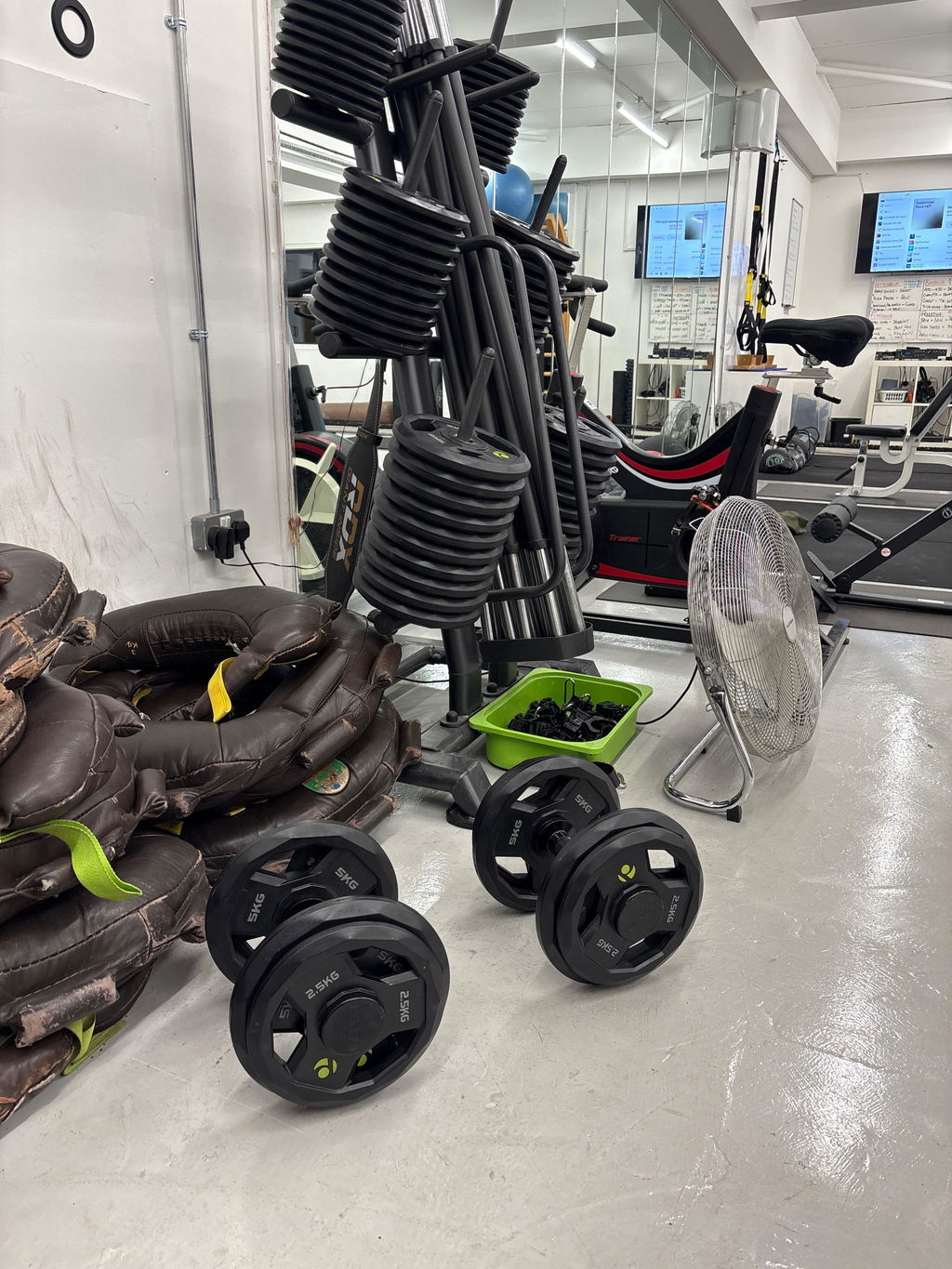
The PRO version is nylon fiberglass with a 34mm handle. It loads up to 140 lbs across the pair, which covers every dumbbell exercise most people will ever do. If you need heavier, the MAX version ($149/pair) is aluminum alloy and loads to 300 lbs.

A kettlebell handle that takes the same plates as the dumbbells. Load it to 100 lbs with the PRO, or 220 lbs with the MAX ($129). Horizontal plate loading with protector shells and spring-locked plates so nothing shifts mid-swing.
Three fixed kettlebells at 25, 35, and 53 lbs would cost $150 to $250. This handle replaces all three and every weight in between.

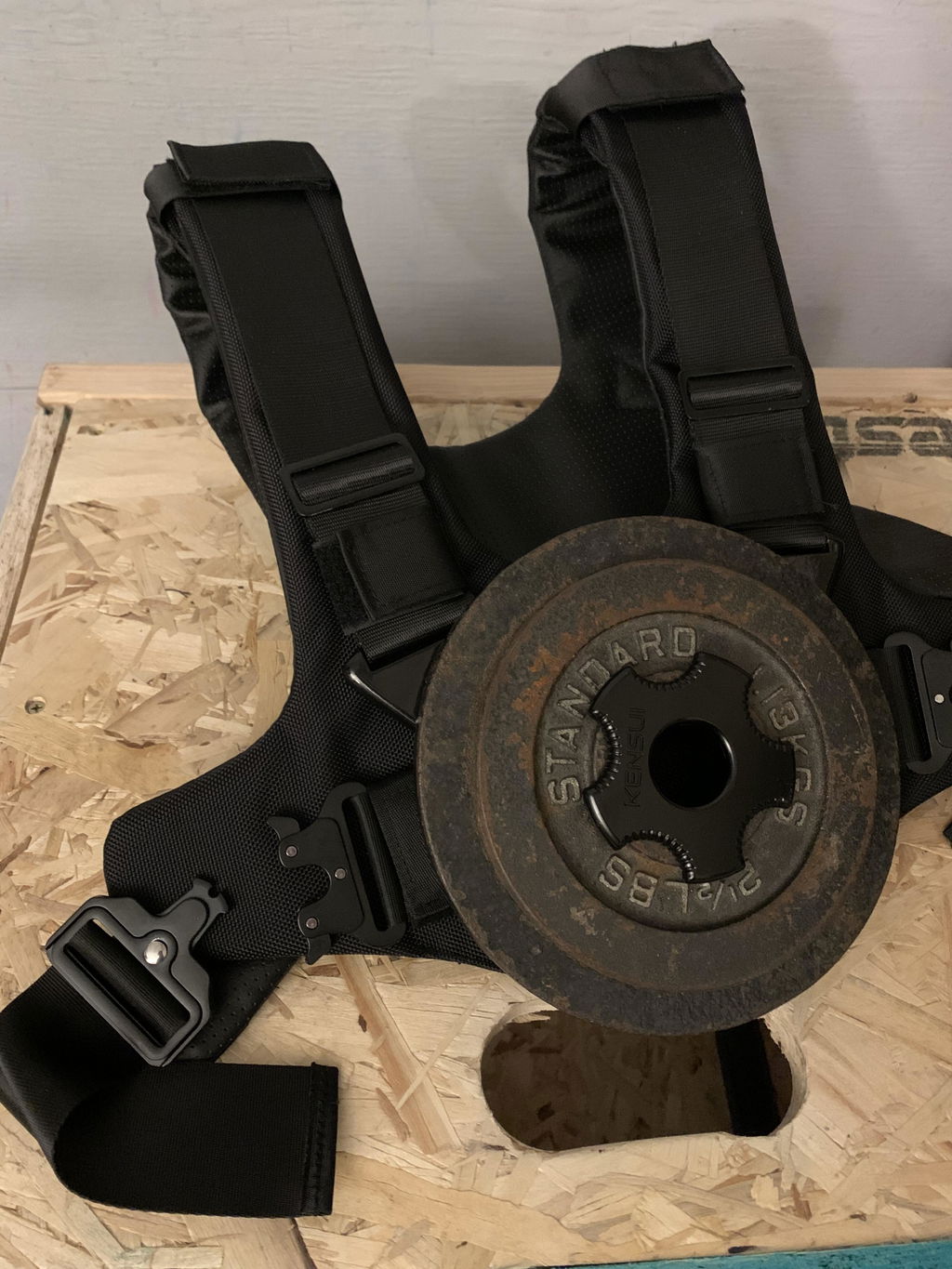
A weight vest that takes Olympic plates instead of proprietary sand pouches. Most vests cap at 20 to 40 lbs and charge $150 to $300 for that ceiling. This one starts at $99 and accepts the plates you already own.
The Pro ($179) adds an SRB buckle for faster load changes. The Max ($299) uses aircraft-grade aluminum and loads to 300 lbs. Rated 4.76 stars across 1,500+ reviews.

Neutral-grip handles that hook onto any pull-up bar up to 2 inches thick. Neutral grip means your palms face each other instead of facing away, which takes pressure off the shoulders and lets you train pull-ups longer without joint irritation.
32mm knurled handles. Rubber-lined hooks so they do not scratch the bar. Rated to 800 lbs. Under a pound for the pair.
Here is what these four categories cost when you buy fixed-weight equipment versus plate-loaded handles.
| Equipment | Fixed Weight | Plate-Loaded Handle |
|---|---|---|
| Dumbbells (5-50 lb range) | ~$550 | $49 |
| Kettlebells (3 weights) | ~$200 | $49 |
| Weight vest (40+ lbs) | ~$200 | $99 |
| Pull-up handles | ~$50 | $29 |
| Total | ~$1,000 | $226 |
The fixed-weight setup weighs 700+ pounds and fills a corner of a room. The plate-loaded handles weigh under 10 pounds combined and fit in a drawer.
The plates are the only heavy part, and you only need one stack. If you already own a barbell with Olympic plates, you already own the weight. Your total cost is $226 for the handles and zero for the iron.
A pair of 25-lb plates, a pair of 10s, and a pair of 5s gives you 80 lbs of total load and runs $60 to $120 depending on whether you buy new or secondhand. Olympic plates are the single most available piece of used gym equipment on any marketplace.
Same plates. Same stack. Every new handle costs under $100.
Once you have a stack of Olympic plates and the concept clicks, the rest of Kensui's lineup plugs into the same system. Three more handles, each under $150, each accepting the plates already sitting on your shelf.


That is seven distinct training tools that share one pool of weight. No duplication. No dead iron. Every plate you own works in every handle you buy.
The total handle cost for all seven: $443. Traditional fixed-weight equivalents for the same capability would run well past $2,000 and weigh over a thousand pounds.
Monday: Pull the plates off the shelf, slide them on the AdaptaBELL handles, do your dumbbell work. When you finish, pull the plates off and slide them onto the EZ-Bell for kettlebell swings. Same plates. Took five seconds to switch.
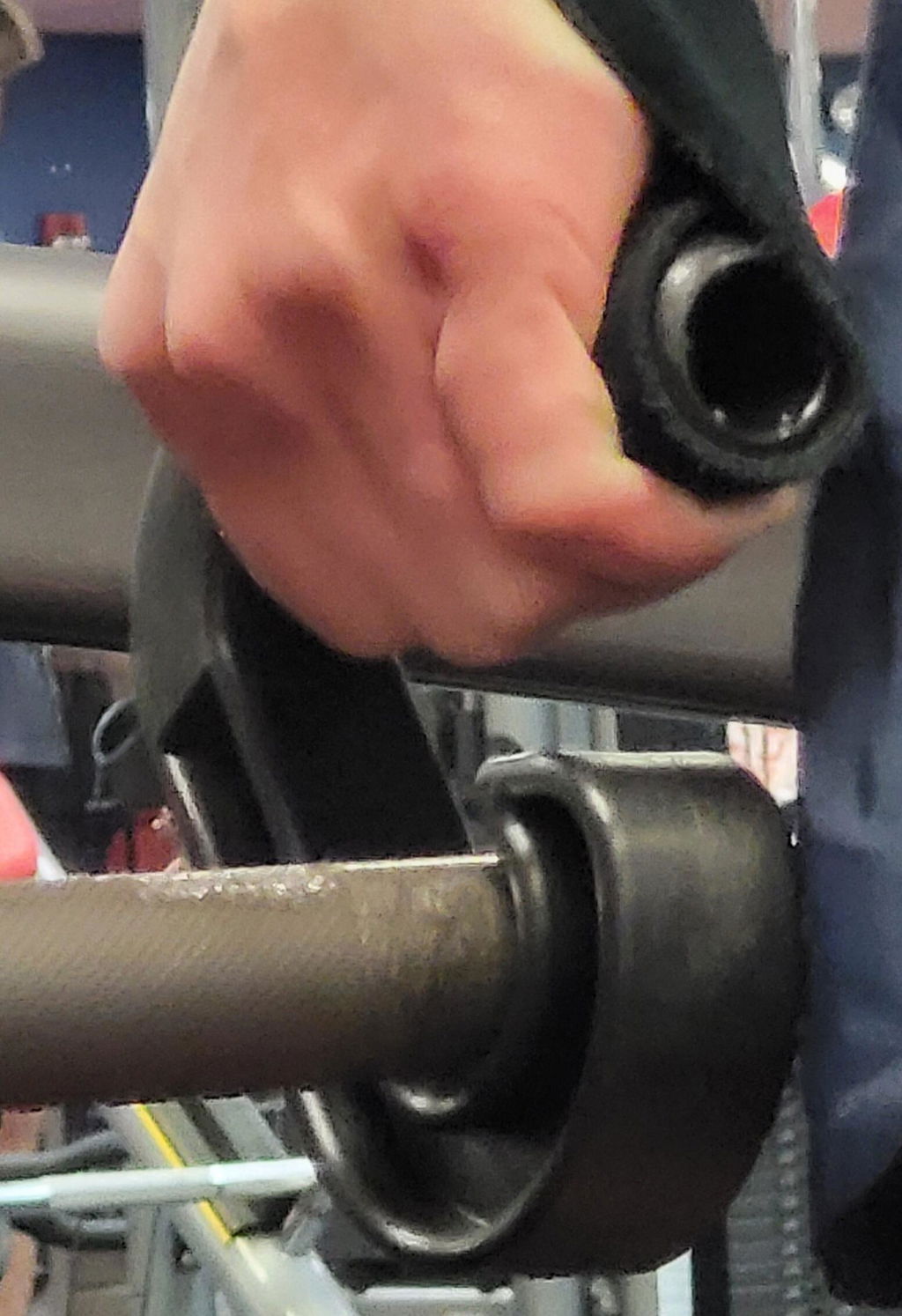
Wednesday: Plates go on the EZ-VEST. Weighted pull-ups with the Swissies hooked onto the bar. Weighted push-ups. Weighted dips. Take the plates off the vest when you finish. They go back on the shelf.


Friday: Everything from Monday, plus a few sets of loaded carries with the vest. The plates have done six different exercises across three training days without you buying a single new piece of weight.
The gym is not in the equipment. It is in the plates. The handles just decide what you do with them.
All four core handles weigh under 10 lbs combined. They fit in a drawer, a duffel bag, a carry-on, a closet shelf. The plates are the only heavy part, and you only need one set.
I got rid of 500+ pounds of fixed dumbbells and kettlebells. I have more training variety now than I did before. Everything I need sits in a single corner of a closet, and when I travel, the handles come with me.
Dumbbells, a kettlebell, a weight vest, and pull-up grips. All plate-loaded. All sharing the same weight. All fitting in a bag you can carry with one hand.
Get the AdaptaBELLAll products ship from Kensui. 4.5+ star average across the full lineup.

New training studies broken down in plain English, gear we actually tested, and what it all changes about your week in the gym.
By signing up you agree to receive email from Science Meets Gym. No spam, and you can unsubscribe at any time.